
Why Zanzibar Is Called the Spice Island, and What a Farm Visit Shows You
Short answer: cloves, introduced in the early 1800s, turned Zanzibar into a world centre of the spice trade. A farm visit lets you see how the plants look, smell and taste before they reach a jar.
Zanzibar earned the nickname “Spice Island” because of clove plantations established under the Omani sultans, along with other crops such as nutmeg, cinnamon and black pepper. Many spices still grow on small family farms across the island.
What a farm walk is like
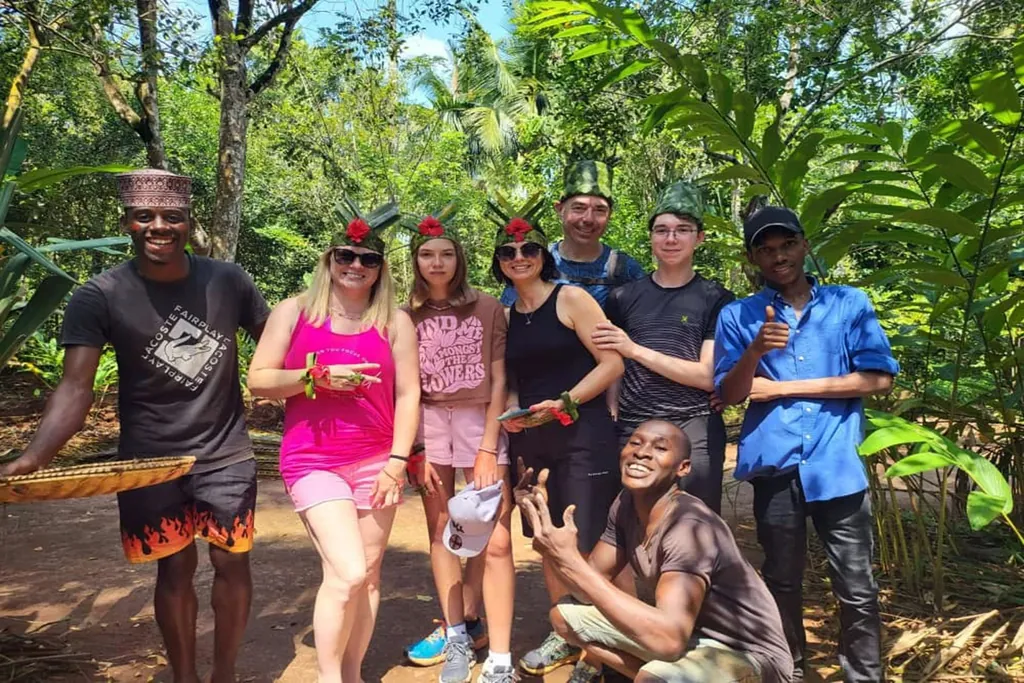
A guide leads you through a shaded plantation and asks you to touch, smell and taste. Expect to crush leaves, peel bark and open fruit. Guides often weave palm leaves into hats or crowns, which is a favourite moment for photos.
Things you may meet
- Cloves, nutmeg and cinnamon
- Vanilla, turmeric, ginger and lemongrass
- Tropical fruit, such as jackfruit and others in season
What is available depends on the season, so your guide’s selection will vary.
Farm walk or cooking class?
If you want to learn about the plants, choose the spice farm tour. If you would rather cook and eat what you pick, our spice farm and cooking class adds a hands-on meal. You can also pair the farm with Stone Town or Jozani Forest.
Tell us about any food allergies when you book, so the guides can plan around them.
Ready to plan? Message Mosum Tours & Safaris on WhatsApp at +255 620 232 711 or use our contact form, and tell us your dates, group size and where you are staying.