
Stone Town on Foot: Doors, Lanes and What to Look For
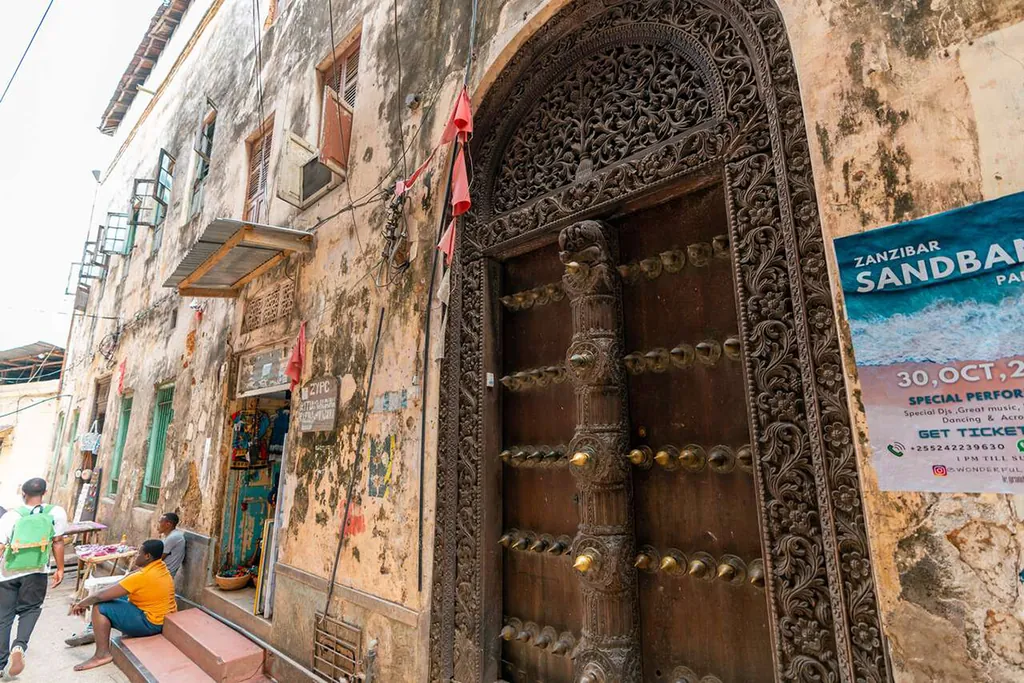
Short answer: give Stone Town a slow morning on foot. It is a maze of lanes best seen with a guide, in comfortable shoes, before the heat builds.
Stone Town, called Mji Mkongwe (“old town”) in Swahili, was added to the UNESCO World Heritage List in 2000. Its lanes are too narrow for most cars, so walking is the way to see it. Here is what to look for.
Start with the doors
Stone Town is famous for its carved wooden doors. Two styles stand out: doors with brass studs, often linked to Indian traders, and doors with a carved frame and an inscription above, often linked to Arab and Swahili houses. A good guide can tell you who lived behind many of them.
The landmarks worth your time
- House of Wonders (Beit al-Ajaib): the large waterfront palace built for Sultan Barghash in the 1880s. Parts of it have been under restoration, so check what is open on the day.
- The Old Fort: one of the oldest buildings in town, now home to craft stalls and an open-air amphitheatre.
- Forodhani Gardens: the seafront park where food stalls set up in the evening.
- The old slave market site: a sober stop and an important part of Zanzibar’s story. Allow time to listen rather than hurry.
Practical tips
- Start early, when the lanes are cooler and quieter.
- Wear comfortable shoes and cover your shoulders and knees. See our guide to what to wear.
- Ask before photographing people.
- Bargain politely in the shops, and smile when you decline.
Ways to see it with us
Our Stone Town walking tour covers the old town on foot with a local guide. You can also pair it with the Prison Island trip or a spice farm visit for a fuller day.
Ready to plan? Message Mosum Tours & Safaris on WhatsApp at +255 620 232 711 or use our contact form, and tell us your dates, group size and where you are staying.